Course overview
What is B.AOTT?
Baccalaureate in Anaesthesia & Operation Theatre Technology (B.AOTT) is a four-year undergraduate allied-health programme preparing students to support anaesthesia, surgical and perioperative services under authorised medical supervision. It combines biomedical science, equipment and safety training, supervised clinical postings and a compulsory internship.
Best suited for: Students interested in physiology, surgical services, medical equipment, sterile practice and calm, checklist-led teamwork in high-responsibility clinical environments.
QualificationB.AOTT
LevelUG
Standard duration4 years
Primary entry routeUniversity entrance test and interview under the applicable admission process
Content reviewed 19 August 2026 by MedCollege Editorial Desk · Admission rules and seat data must still be checked for the current cycle.
Before you choose perioperative technology
Understanding the B.AOTT pathway
What is B.AOTT?
Baccalaureate in Anaesthesia & Operation Theatre Technology, abbreviated as B.AOTT, is a four-year undergraduate allied-health programme that prepares students to support anaesthesia, surgical and perioperative services under authorised medical supervision. Anaesthesia and operation theatre technologists help prepare equipment and theatres, check supplies, maintain sterile and safe clinical environments, assist with monitoring, and support operating-theatre and recovery-area workflows.
The course does not qualify graduates as anaesthesiologists. Anaesthesiologists are medical doctors responsible for evaluating patients, selecting anaesthesia plans, administering anaesthesia and making medical decisions. Anaesthesia technologists work within defined protocols, competence and supervision.
Who should consider this course?
The course may suit students who are interested in physiology, medical equipment, surgical practice and high-responsibility teamwork. Learners must remain calm, follow checklists and communicate immediately when equipment readings or patient conditions change.
At a glance
B.AOTT course highlights
Use this summary to understand the qualification quickly, then open the detailed sections before making an admission decision.
- Course name
- Baccalaureate in Anaesthesia & Operation Theatre Technology
- Academic level
- Undergraduate allied-health programme
- Standard duration
- Four years or eight semesters
- Course structure
- Three academic years plus one compulsory year of clinical training/internship
- Training
- Classroom, laboratory, simulation, supervised clinical postings and internship
- Admission
- Merit in Senior Secondary (10+2) or equivalent qualifying examination
- Main work areas
- Operating theatres, recovery units and critical-care support
- Professional category
- Anaesthesia assistants and technologists under the applicable allied-health framework
Course decision
Why choose B.AOTT?
01Human Anatomy And Physiology
human anatomy and physiology;
02Biochemistry, Pathology And Microbiology
biochemistry, pathology and microbiology;
03Pharmacology Foundations And Anaesthetic Drug Awareness
pharmacology foundations and anaesthetic-drug awareness;
04Principles Of Anaesthesia
principles of anaesthesia;
Choose the course—not only the titleCompare the curriculum, training environment, recognition, admission route, total cost and long-term professional requirements before applying.
Entry requirements
B.AOTT eligibility
Eligibility can change by admission year and candidate category. Treat the current official examination and counselling documents as controlling.
| Eligibility check | What the applicant should confirm |
|---|
| Qualifying education | The standard entry qualification is Class 12 or an accepted equivalent with Physics, Chemistry and Biology as mandatory subjects, normally requiring at least 50% aggregate in PCB. Mathematics may be studied as an optional subject. Applicable relaxation, equivalence, age, medical fitness and university conditions should be checked in the current admission notice. |
|---|
| Admission-year conditions | Candidates who completed an equivalent qualification outside India may need formal equivalence. Applicants should read the current prospectus for the exact university, campus and admission year. |
|---|
| Documents and verification | Common documents include Class 10 and 12 certificates, identity proof, photographs, transfer or migration certificates, category or domicile evidence, counselling records and medical-fitness documentation where requested. |
|---|
Stored course eligibility summaryApplicants normally need 10+2 or an accepted equivalent with Physics, Chemistry and Biology and the minimum marks stated in the current university notice. Candidates must confirm equivalence, category relaxation, age, medical fitness, entrance-test, interview and document requirements for the exact admission cycle.
Academic scope
Duration, syllabus and learning areas
The exact syllabus, rotations and assessment follow the current regulator, university and institution curriculum. These are the major areas applicants should expect to investigate.
| Training phase | Major focus |
|---|
| Programme structure | B.AOTT has a standard duration of four years or eight semesters. It comprises three academic years followed by one compulsory year of clinical training or internship. The curriculum specifies at least 1,440 internship hours within the four-year programme. |
|---|
| Academic and practical progression | Clinical education may include operating theatres, pre-anaesthesia areas, post-anaesthesia care units, day-surgery services, emergency theatres and critical-care environments. Students should progress from observation and simulation to supervised technical responsibilities. |
|---|
| Internship and completion | The internship is compulsory. Requirements may include attendance, rotation logs, competencies, case records and supervisor evaluation. Students shall be paid an internship stipend. The amount is decided by the applicable State Allied and Healthcare Council, and candidates should confirm the payment procedure with the institution. |
|---|
Major curriculum areas
01Human Anatomy And Physiology
human anatomy and physiology;
02Biochemistry, Pathology And Microbiology
biochemistry, pathology and microbiology;
03Pharmacology Foundations And Anaesthetic Drug Awareness
pharmacology foundations and anaesthetic-drug awareness;
04Principles Of Anaesthesia
principles of anaesthesia;
05Anaesthesia Machines, Breathing Systems And Medical Gases
anaesthesia machines, breathing systems and medical gases;
06Airway Equipment And Airway Management Assistance
airway equipment and airway-management assistance;
07Patient Monitoring And Interpretation Of Equipment Reading
patient monitoring and interpretation of equipment readings;
08Operation Theatre Procedures And Sterile Practice
operation-theatre procedures and sterile practice;
How training is commonly delivered
- Classroom teaching in biomedical and perioperative sciences
- Laboratory and simulation training with anaesthesia, airway and monitoring equipment
- Supervised operating-theatre and recovery-area clinical postings
- Case records, competency logs and practical assessment
- One compulsory year of clinical training or internship within the four-year programme
Skills the programme is designed to develop
Anaesthesia-workstation checksAirway-equipment preparationPatient-monitoring supportSterile-theatre practiceSafe patient positioningInfection preventionClinical documentationEmergency teamwork
College-specific evidence
Fees, seats and admission details
Fees and seats belong to a college, academic year, category and source. A blank seat value means MedCollege has not stored a sufficiently current verified intake—not that the programme has no seats.
| College | First-year planning fee | Published course total | Seats | Fee year/source |
|---|
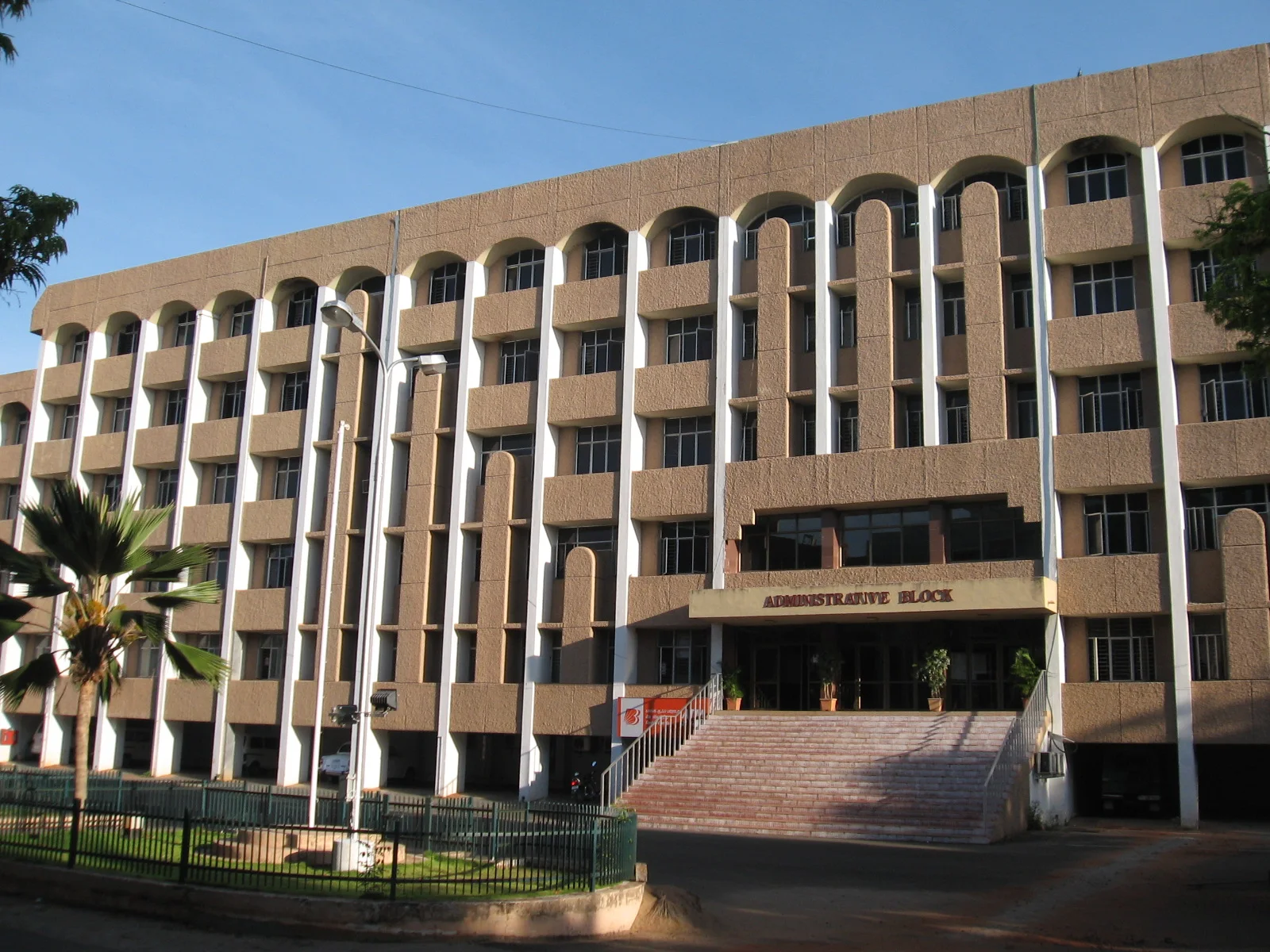
| CMC VelloreVellore, Tamil Nadu | Not published | Not published | Not published for 2026–27 | Source year not storedOfficial source ↗ |
|---|
| JIPMER PuducherryPuducherry, Puducherry | Not published | Not published | Not published for 2026–27 | Source year not storedOfficial source ↗ |
|---|
The first-year planning figure excludes a separately identified refundable caution deposit where the official fee schedule permits that calculation. A range means the amount varies by specialisation. The published total shown is the course fee in the cited notice; hostel, mess and personal expenses may be separate.
CMC Vellore admission note
Use the current institution or competent-authority notice for the applicable entrance, merit, counselling and reporting process.
JIPMER Puducherry admission note
Use the current institution or competent-authority notice for the applicable entrance, merit, counselling and reporting process.
After the qualification
Career scope and further training
Graduates may pursue eligible anaesthesia and operation-theatre technology roles in operating theatres, recovery units, day-surgery services, critical-care support, equipment organisations, quality and safety services, or continue to eligible postgraduate study. The qualification does not make a graduate an anaesthesiologist or authorise independent anaesthesia practice.
✓Anaesthesia and operation-theatre technology roles under authorised clinical supervision
✓Recovery-unit, day-surgery and critical-care support services
✓Clinical application, equipment, quality and patient-safety roles
✓Eligible postgraduate study, research assistance and healthcare administration
Where graduates may work or train
↗Hospital operating-theatre complexes
↗Post-anaesthesia care and day-surgery units
↗Emergency and critical-care support environments
↗Anaesthesia-equipment and clinical-application organisations
Higher study and professional development
Allied-health postgraduate study
Eligible programmes may include anaesthesia technology, operation-theatre technology, critical care or related clinical-technology fields.
Healthcare leadership and research
Additional qualifications can support quality, hospital administration, education or research pathways.
What affects salary and earnings?
MedCollege does not present one unsupported average salary as a guaranteed outcome. Pay varies substantially according to:
Role and level of responsibilityEmployer type and locationExperience and additional qualificationsWorking hours, incentives and employment conditionsNight, emergency and on-call duty requirementsClinical exposure and competence with current equipment
Qualification is not the same as guaranteed employmentCareer outcomes depend on registration, competence, experience, location, employer requirements and any additional credential needed for the role.
Compare pathways
B.AOTT course comparison
| Decision factor | B.AOTT | Anaesthesiologist |
|---|
| Education route | Undergraduate allied-health programme | MBBS followed by eligible postgraduate anaesthesiology training |
|---|
| Primary role | Technical and clinical support under supervision | Medical evaluation, anaesthesia planning and administration |
|---|
| Independent anaesthesia | Not an authorised B.AOTT outcome | Within specialist competence, registration and law |
|---|
| Core environment | Operating theatres, recovery and perioperative support | Perioperative medical care, critical decisions and specialist practice |
|---|
This comparison explains academic pathways. It does not replace the current eligibility, recognition, entrance or registration rules for either qualification.