Course overview
What is DM Endocrinology?
DM Endocrinology is a three-year physician super-speciality residency covering diabetes, thyroid, pituitary, adrenal, metabolic bone, reproductive, growth, obesity and lipid disorders.
Best suited for: Physicians interested in hormonal and metabolic disorders, detailed biochemical interpretation, endocrine imaging, diabetes technology and sustained patient-centred follow-up.
QualificationDM Endocrinology
LevelSuper Speciality
Standard duration3 years
Primary entry routeNEET-SS with MCC counselling or INI-SS, as applicable
Content reviewed 19 August 2026 by MedCollege Editorial Desk · Admission rules and seat data must still be checked for the current cycle.
Before you choose a medical super-speciality
Understanding the DM Endocrinology pathway
What is DM Endocrinology?
DM Endocrinology is a postgraduate medical super-specialty addressing hormonal and metabolic disorders. It covers diabetes, thyroid disease, pituitary and adrenal disorders, metabolic bone disease, reproductive endocrinology, growth, obesity and lipid disorders.
The specialty combines detailed clinical evaluation, biochemical interpretation, imaging correlation and long-term patient-centred management.
Who should consider this course?
Compare the exact curriculum, supervised training, professional framework and long-term role before applying.
At a glance
DM Endocrinology course highlights
Use this summary to understand the qualification quickly, then open the detailed sections before making an admission decision.
- Qualification
- DM Endocrinology
- Course level
- Super Speciality
- Standard duration
- 3 years
- Primary admission route
- NEET-SS with MCC counselling or INI-SS, as applicable
Course decision
Why choose DM Endocrinology?
01Diabetes and metabolism
Diabetes, obesity, dyslipidaemia, technology-assisted monitoring and prevention of complications.
02Thyroid and neuroendocrine care
Thyroid, pituitary, adrenal and neuroendocrine disorders.
03Bone, growth and reproduction
Calcium and bone disease, growth, puberty and reproductive endocrinology.
04Testing and imaging
Hormone assays, dynamic testing, bone density and focused imaging interpretation.
Choose the course—not only the titleCompare the curriculum, training environment, recognition, admission route, total cost and long-term professional requirements before applying.
Entry requirements
DM Endocrinology eligibility
Eligibility can change by admission year and candidate category. Treat the current official examination and counselling documents as controlling.
| Eligibility check | What the applicant should confirm |
|---|
| Qualifying education | Applicants require MBBS, applicable medical registration and an eligible MD/DNB feeder qualification listed for Endocrinology in the current NEET-SS bulletin. The postgraduate qualification and registration requirements must be completed by the notified cut-off date. |
|---|
| Admission-year conditions | Candidates must verify the current feeder list and equivalence rules. Qualifications obtained outside India require prescribed recognition and registration. |
|---|
Stored course eligibility summaryApplicants need MBBS, applicable medical registration and an eligible MD, DNB or other permitted feeder qualification under the current NEET-SS or INI-SS document. The required qualification, result and registration conditions must be completed by the notified deadline.
Academic scope
Duration, syllabus and learning areas
The exact syllabus, rotations and assessment follow the current regulator, university and institution curriculum. These are the major areas applicants should expect to investigate.
| Training phase | Major focus |
|---|
| Programme structure | The programme is normally a three-year full-time residency. Training includes outpatient clinics, inpatient consultations, diabetes services, endocrine testing, emergency management and rotations through related laboratory, imaging, nuclear medicine and surgical services. |
|---|
| Academic and practical progression | Residents complete academic sessions, case presentations, journal clubs, logbooks, internal assessments, teaching and research. |
|---|
Major curriculum areas
01Diabetes and metabolism
Diabetes, obesity, dyslipidaemia, technology-assisted monitoring and prevention of complications.
02Thyroid and neuroendocrine care
Thyroid, pituitary, adrenal and neuroendocrine disorders.
03Bone, growth and reproduction
Calcium and bone disease, growth, puberty and reproductive endocrinology.
04Testing and imaging
Hormone assays, dynamic testing, bone density and focused imaging interpretation.
How training is commonly delivered
- Endocrine, diabetes and metabolic outpatient clinics
- Inpatient consultations and endocrine-emergency management
- Dynamic testing, hormone laboratory and imaging correlation
- Nuclear medicine, endocrine surgery and related specialty rotations
- Case conferences, logbook, research and competency assessment
Skills the programme is designed to develop
Focused endocrine examinationHormone-test interpretationDynamic-test planningDiabetes technologyEndocrine imaging correlationLong-term risk reductionPatient educationMultidisciplinary referral
College-specific evidence
Fees, seats and admission details
Fees and seats belong to a college, academic year, category and source. A blank seat value means MedCollege has not stored a sufficiently current verified intake—not that the programme has no seats.
The first-year planning figure excludes a separately identified refundable caution deposit where the official fee schedule permits that calculation. A range means the amount varies by specialisation. The published total shown is the course fee in the cited notice; hostel, mess and personal expenses may be separate.
CMC Vellore admission note
Meet the current feeder-qualification rules and complete NEET-SS or INI-SS and counselling, as applicable to the programme and institution.
JIPMER Puducherry admission note
Meet the current feeder-qualification rules and complete NEET-SS or INI-SS and counselling, as applicable to the programme and institution.
KMC Manipal admission note
Qualify NEET-SS and participate in the applicable MCC super-speciality counselling process. Verify the eligible feeder qualification, group, seat matrix, choice-filling and reporting rules for the current cycle. The official MAHE 2026–27 general-category fee schedule lists a first-year planning figure of ₹22.03 lakh excluding the separately identified ₹10,000 refundable caution deposit, and a published course total of ₹66.19 lakh.
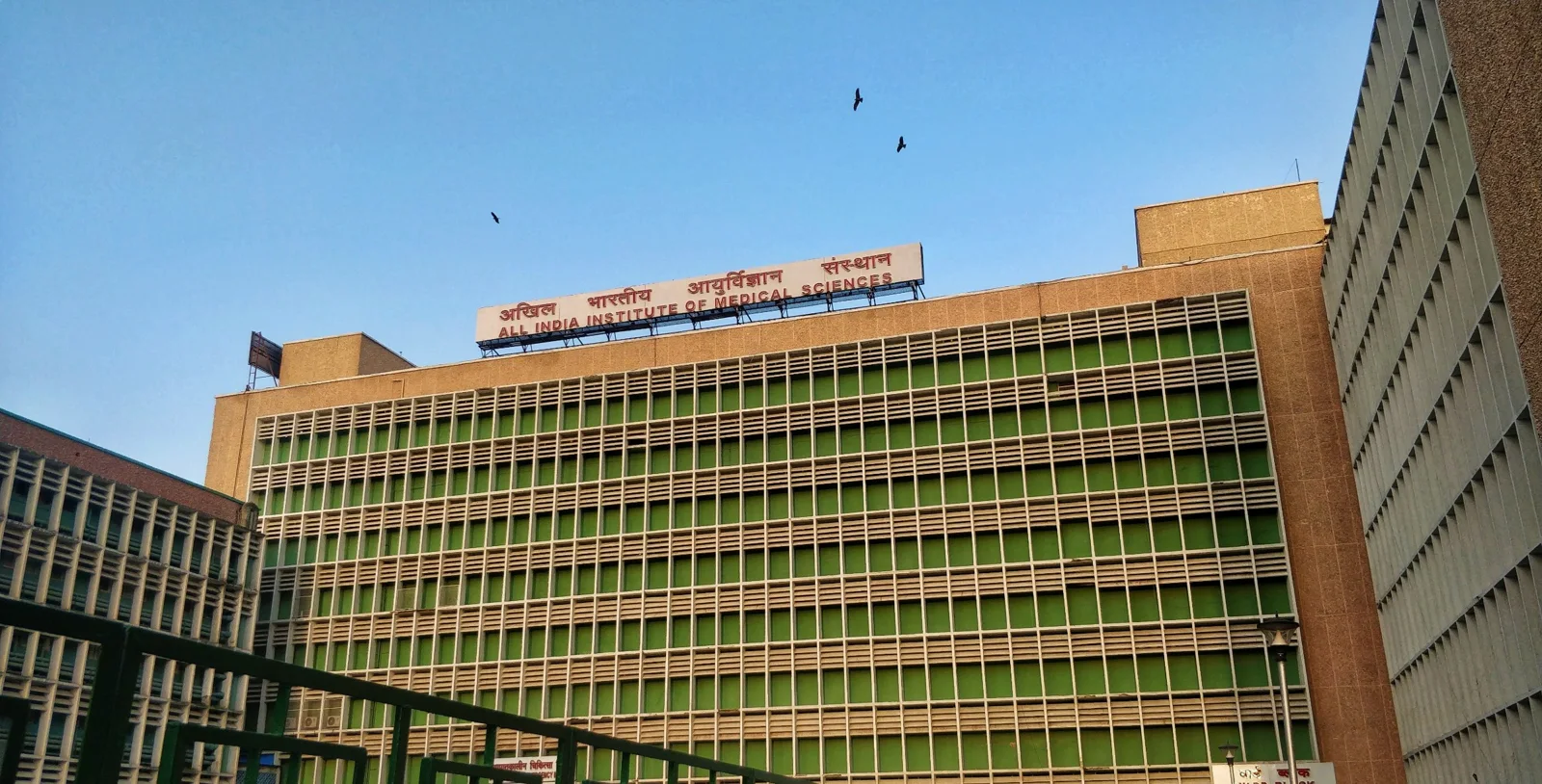
AIIMS New Delhi admission note
Meet the current feeder-qualification rules and complete NEET-SS or INI-SS and counselling, as applicable to the programme and institution.
MMC Chennai admission note
NEET-SS followed by the applicable counselling and institutional reporting process. Verify the current course-specific matrix.
Seth GSMC Mumbai admission note
NEET-SS followed by the applicable counselling and institutional reporting process. Verify the current course-specific matrix.
After the qualification
Career scope and further training
Graduates may work in endocrine, diabetes and metabolic-care services, teaching, research and focused multidisciplinary programmes within their documented competence.
✓Consultant endocrinology and diabetes practice
✓Hospital endocrine and metabolic-care programmes
✓Academic medicine, research and clinical trials
✓Focused work in diabetes technology, bone, reproductive, thyroid or neuroendocrine care
Where graduates may work or train
↗Tertiary and teaching hospitals
↗Endocrine, diabetes and metabolic clinics
↗Multidisciplinary tumour and pregnancy services
↗Universities, research centres and clinical-trial programmes
Higher study and professional development
Focused advanced training
Any fellowship or focused programme should be assessed for recognition, entry criteria, supervision, case exposure and the exact credential awarded.
Academic and research development
Structured teaching, research-methodology, trial-governance and publication experience can support academic or investigator pathways.
What affects salary and earnings?
MedCollege does not present one unsupported average salary as a guaranteed outcome. Pay varies substantially according to:
Role and level of responsibilityEmployer type and locationExperience and additional qualificationsWorking hours, incentives and employment conditionsClinical privileges, procedural competence, on-call responsibility and case complexityStipend, bond, accommodation and service conditions during residency
Qualification is not the same as guaranteed employmentCareer outcomes depend on registration, competence, experience, location, employer requirements and any additional credential needed for the role.
Compare pathways
DM Endocrinology course comparison
| Decision factor | Recognised DM | Short fellowship |
|---|
| Award | University super-speciality medical degree | Provider-defined certificate or fellowship award |
|---|
| Typical structure | Three-year full-time residency with prescribed assessment | Duration, entry and assessment vary by provider |
|---|
| Recognition check | Verify the exact course and seat in current official records | Verify recognition, credential value and employer acceptance separately |
|---|
| Procedural privileges | Depend on documented competence and institutional credentialing | Do not follow automatically from the fellowship title |
|---|
This comparison explains academic pathways. It does not replace the current eligibility, recognition, entrance or registration rules for either qualification.